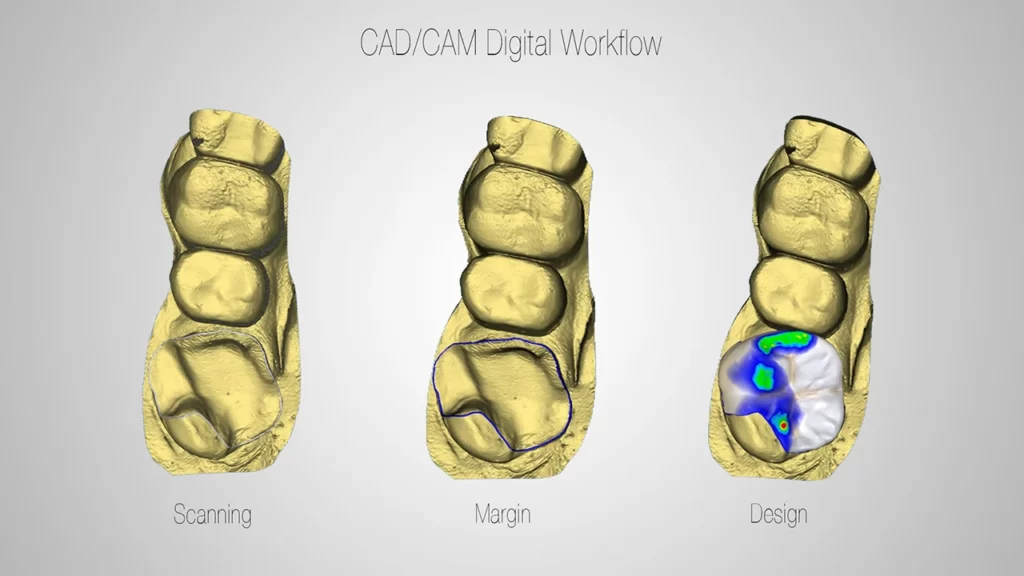
At Denta Consult, one’s natural teeth can be restored without having them prepared for dental crowns and permanently destroyed in their entirety. We restore teeth by adding only the lost part of them, through virtual 3D design and fabrication in Denta Consult Sofia’s own dental laboratory.
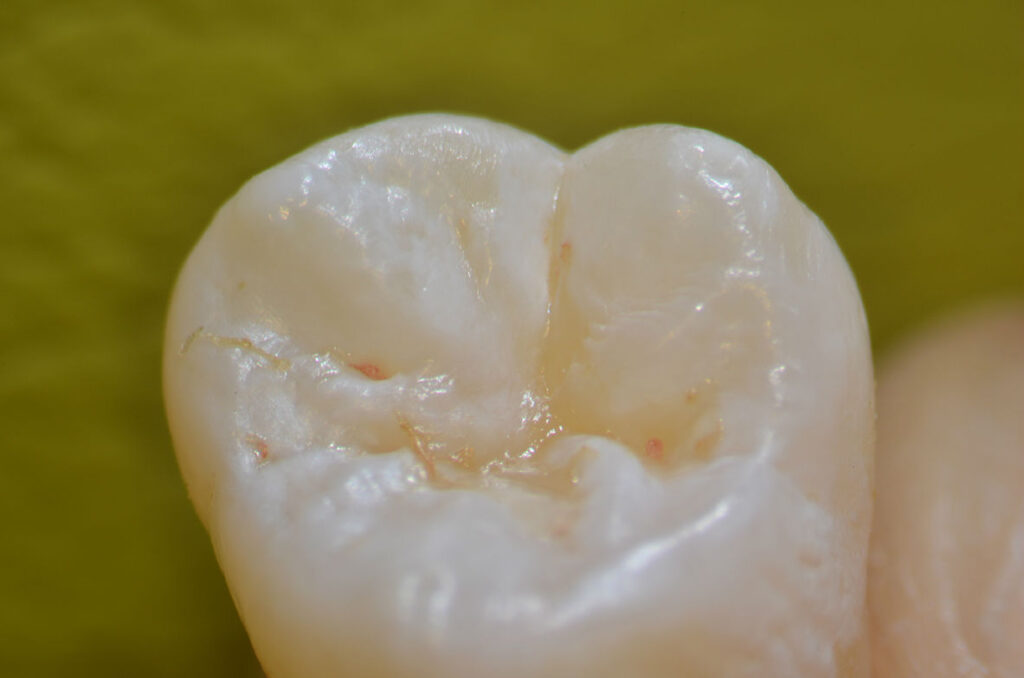
As a result of the development of caries, part of the tissues of the tooth are destroyed. The best way to restore them is by mimicking what nature has created.
The teeth have a beautiful and well-defined relief, the role of which is to help in biting and chewing food. Caries and other diseases cause the relief and shape to be lost, which hinders the overall function of the tooth and the entire chewing apparatus. At Denta Consult, we value everything that nature has created – it perfectly combines form and function. Therefore, whenever we restore a damaged tooth, we are guided by the following principles:
Minimal intervention – we save any remaining healthy tissue from the tooth. We strive for minimal tooth preparation, that is, less work with the “machine” – only where necessary.
Restoring the original shape and relief of the tooth. This can be achieved in two ways, depending on the case:
DEVELOPMENT IN DENTA CONSULT’S OWN DENTAL LABORATORY
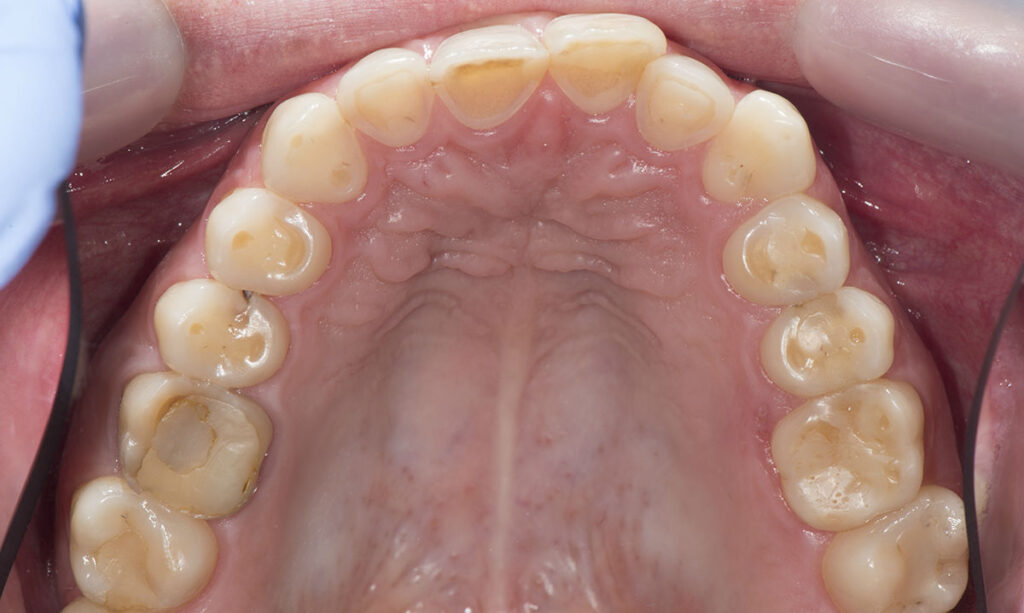
Case 1
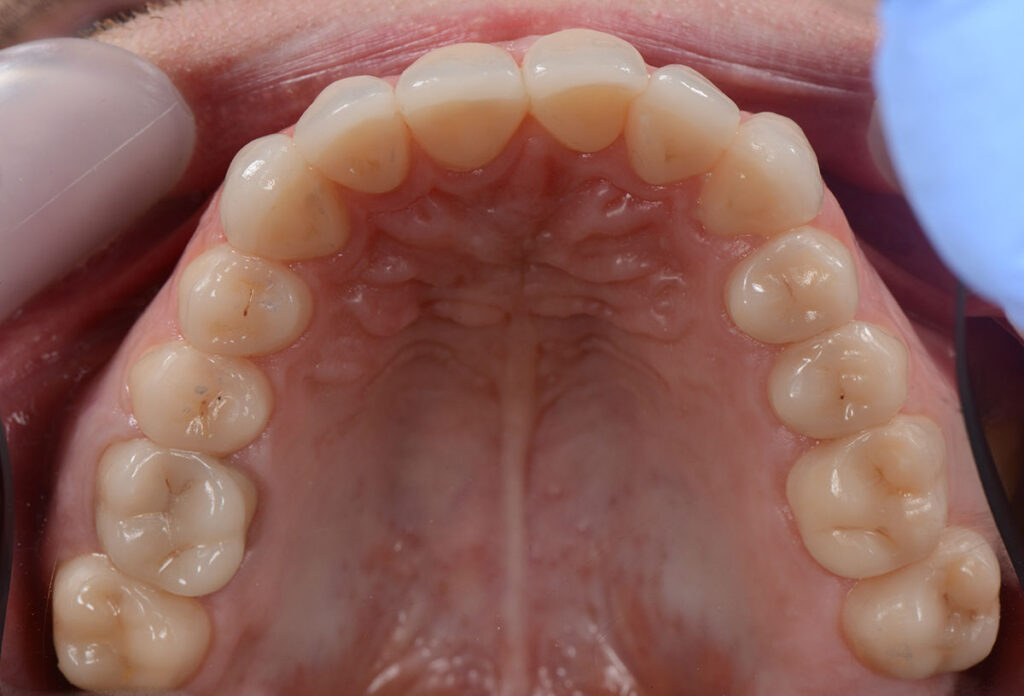
Case 2
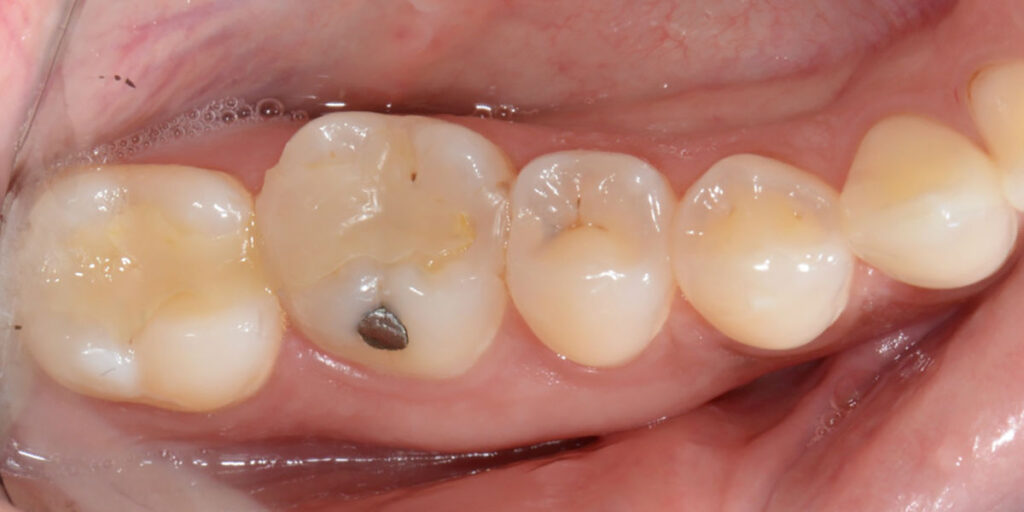
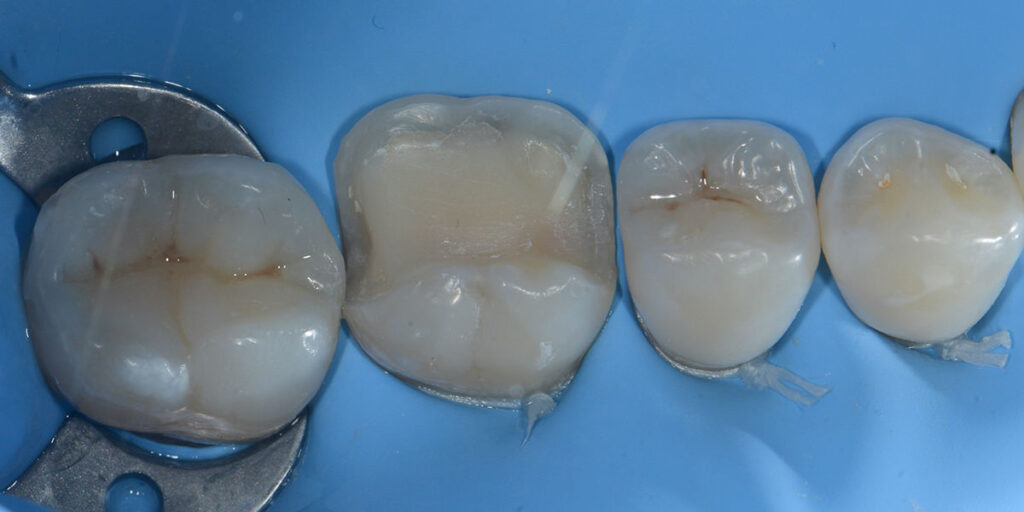
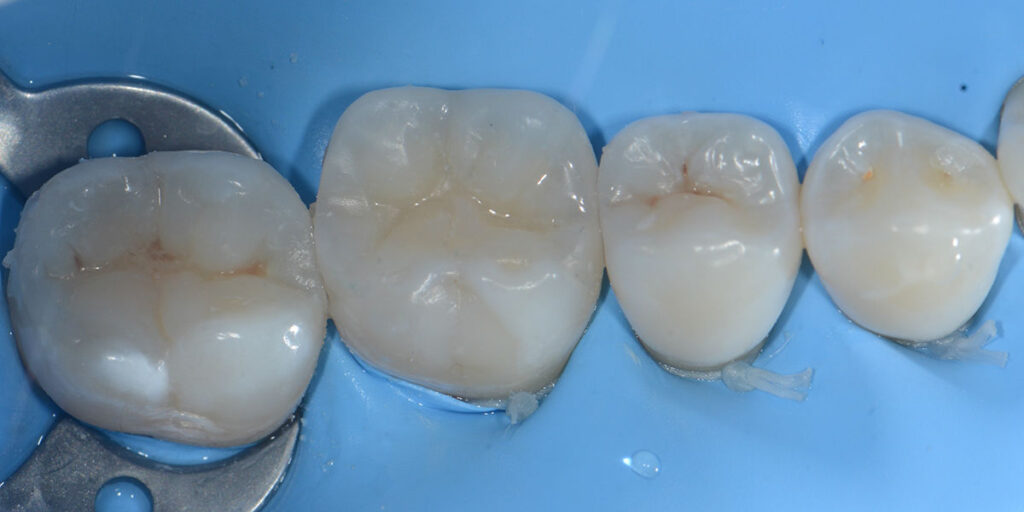
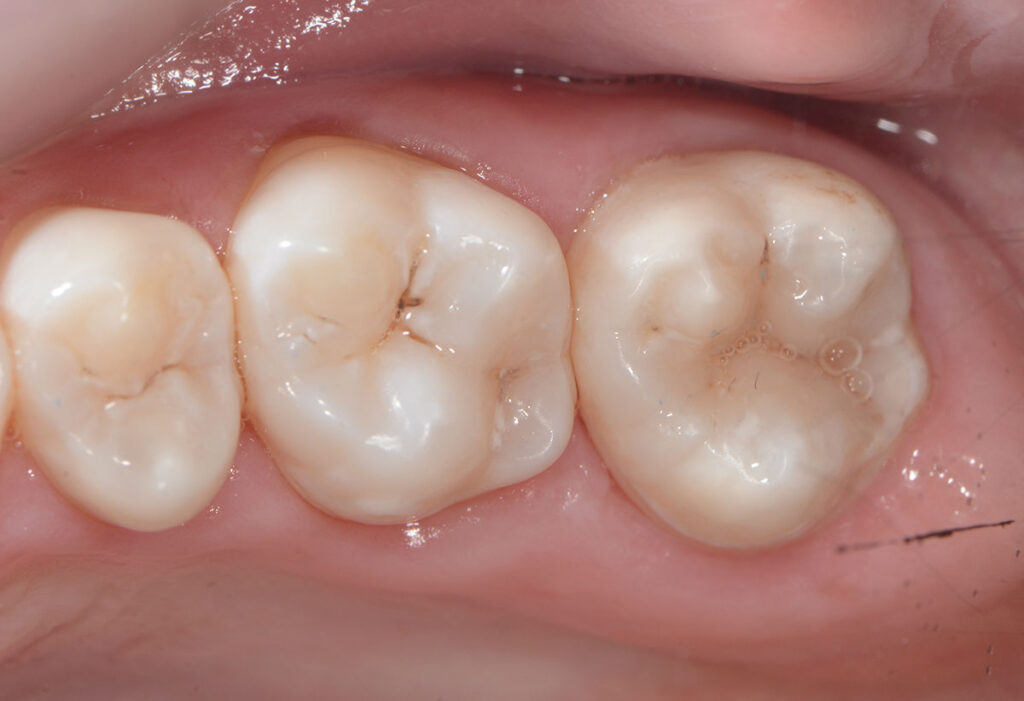
IN THE DENTAL OFFICE BY APPLYING COMPOSITE
Case 1
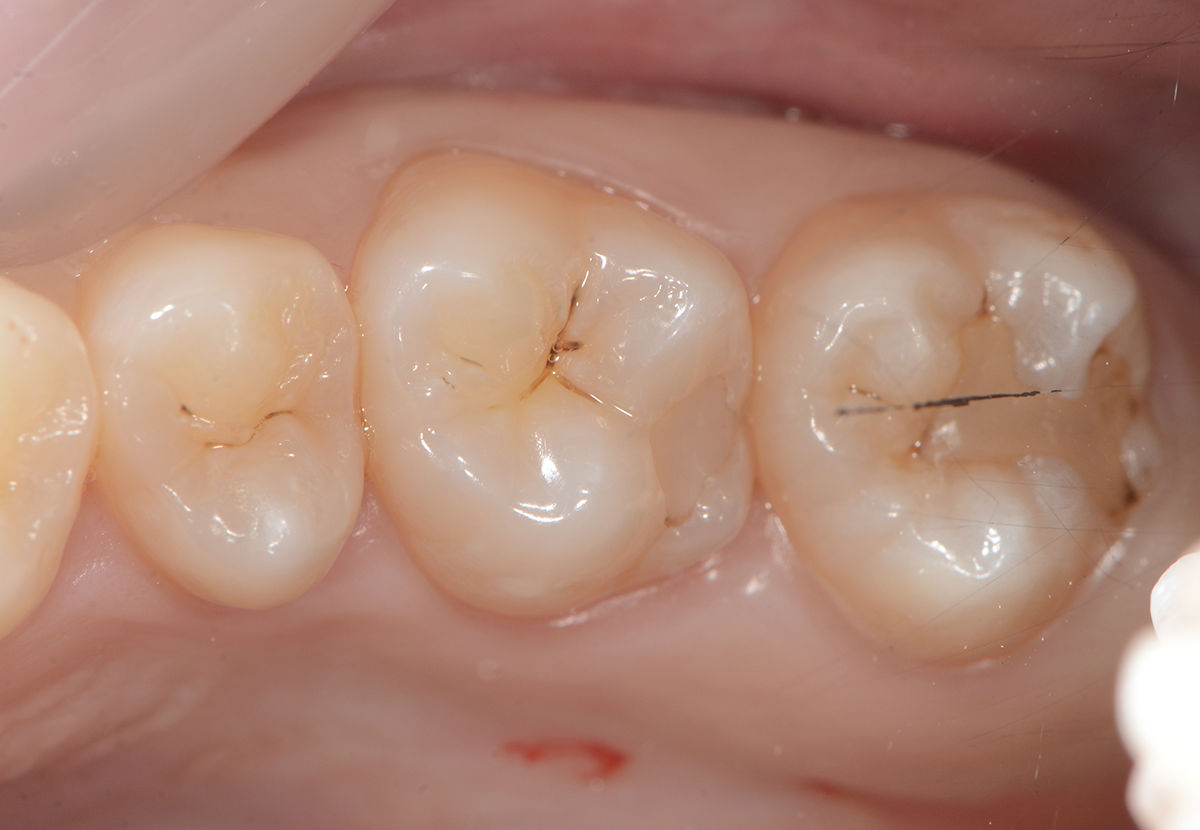
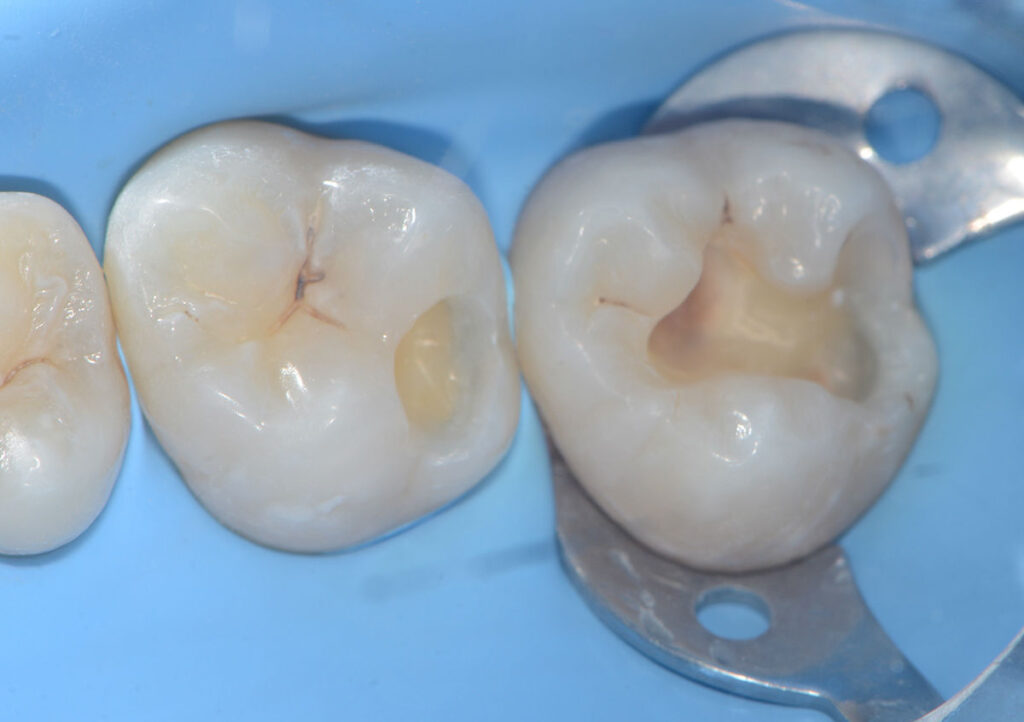
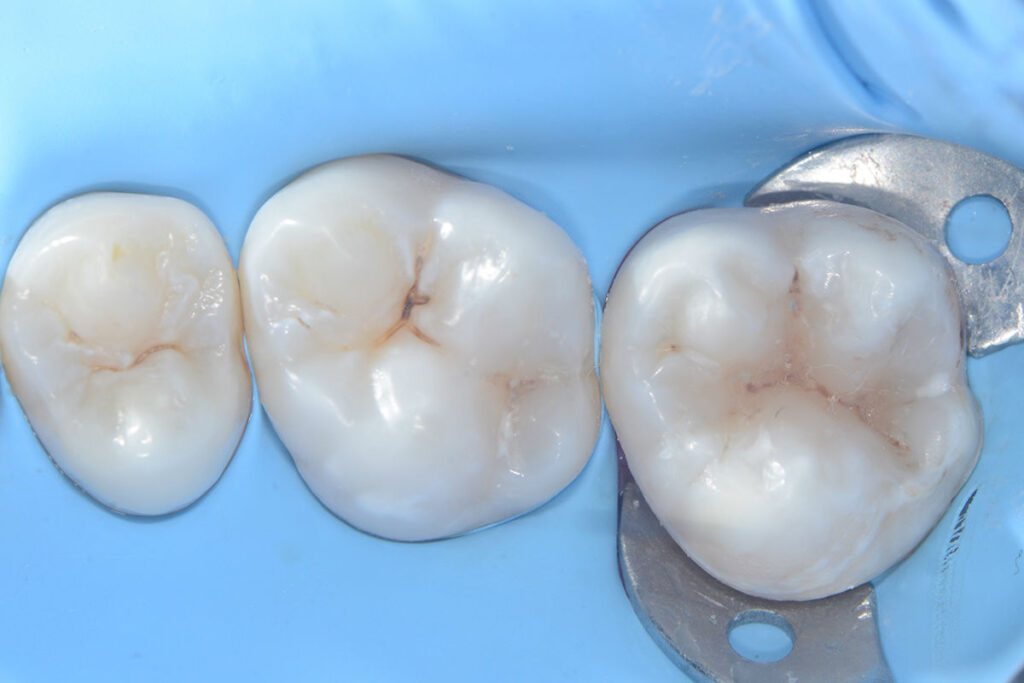
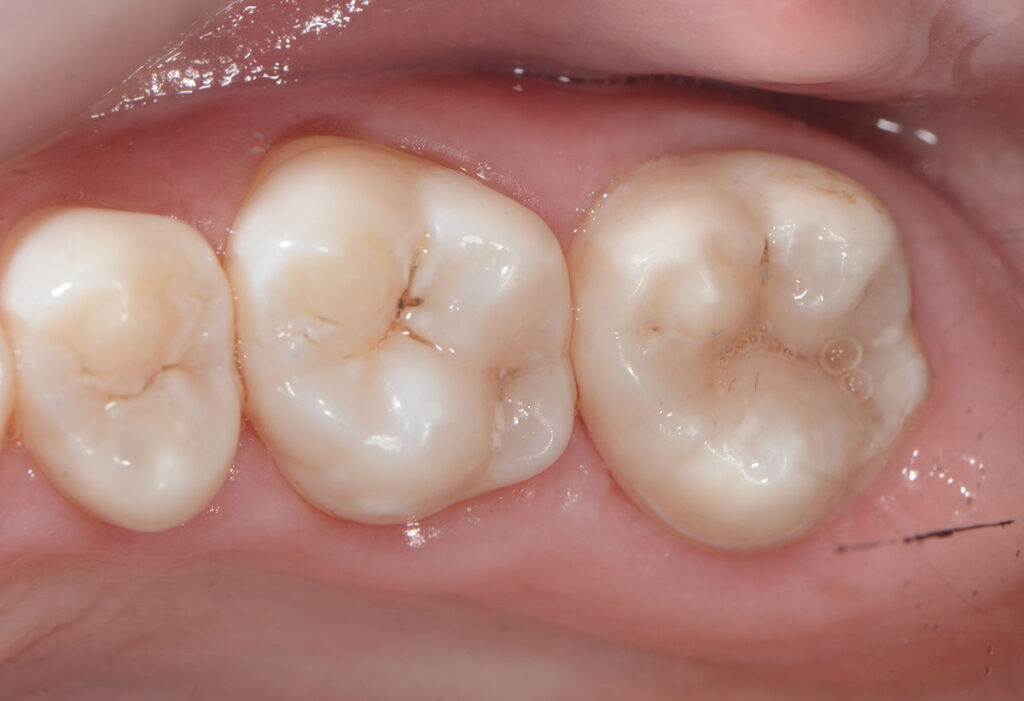
Case 2
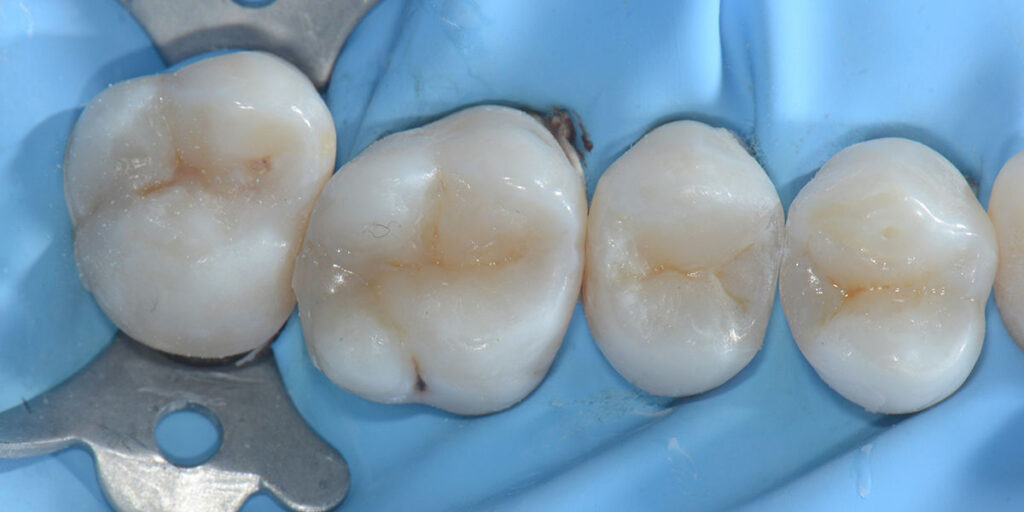
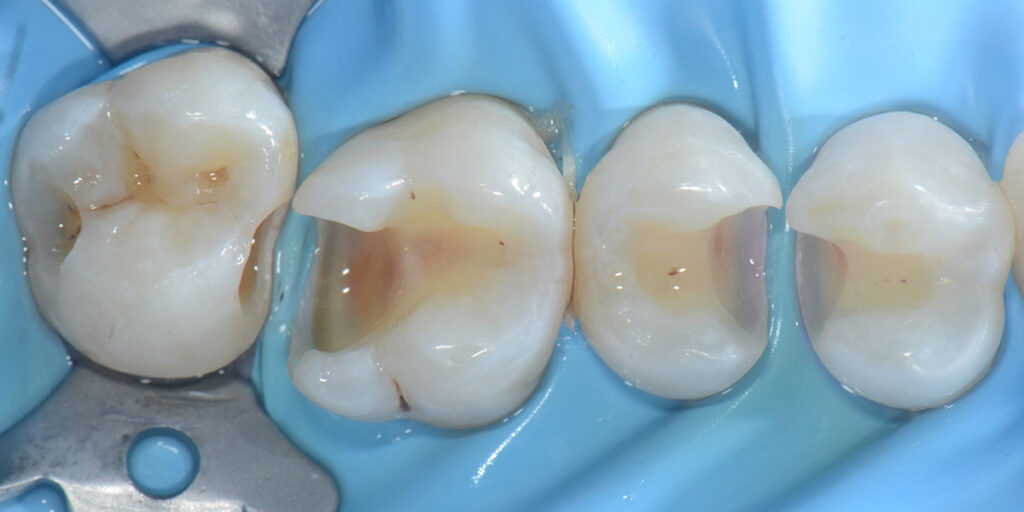
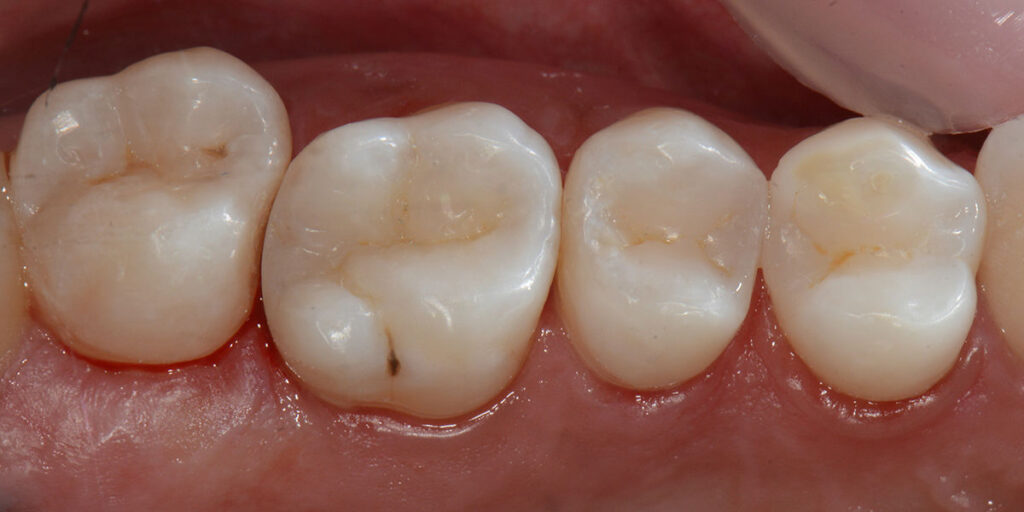
PRECISION WORK
This is where magnifiers, the microscope, and the cloth that is placed around the teeth and serves to ensure a clean and sterile working environment come to the rescue.
Adhesion Protocol
Modern restorative dentistry is based on following a strict adhesive protocol. All procedures from direct restoration of teeth with composite to the bonding of ceramic veneers are based on it.
Here are its main elements:
1. Good insulation and dryness of the operating field. This is achieved through the use of a rubber sheet, with which we isolate one or more teeth on which we will work.
2. Accurate timing – our assistants detect with a timer the seconds in which each of the components of the adhesive system is in contact with the tooth.
3. Application of small doses of composite, its careful modeling and polymerization. This avoids unwanted consequences such as sensitivity in the tooth we are building (restoring), cracks, including peeling of the restoration.
4. Magnification under a microscope or magnifiers. This is the way to be as precise as possible.