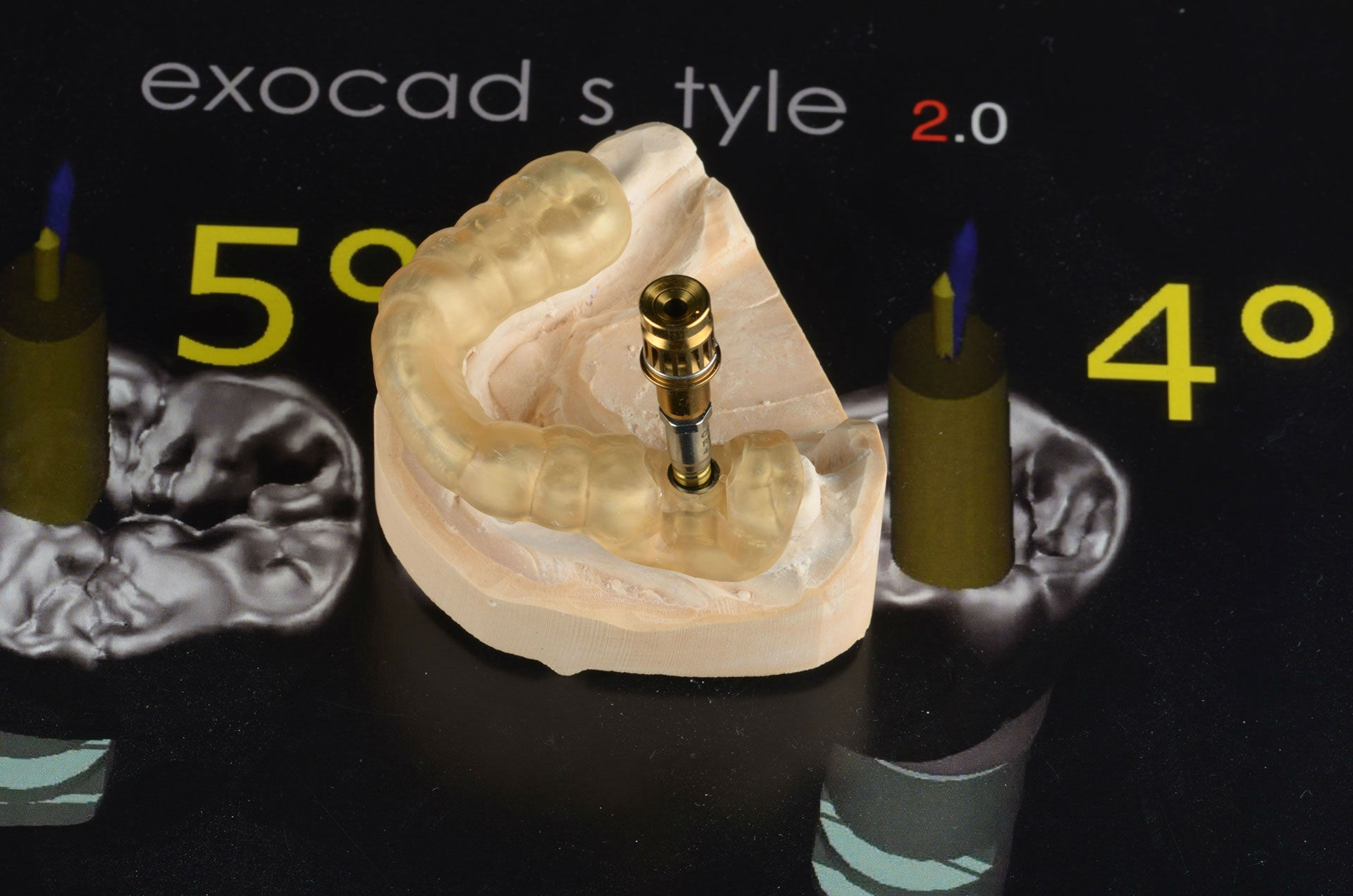
Surgical guides are one of the innovations to place dental implants in the best, most desired position by the implantologist.
The position of the dental implant, as a rule, can be of two types.
The first type is the so-called surgical position. Historically, it is the older concept. The surgical placement of dental implants is primarily tailored to the anatomy of the jaw. The priority is the rapid placement of dental implants in order to restore nutrition as quickly as possible, i.e. to have teeth as quickly as possible at “any cost”, without taking into account the long-term survival of the implants in the mouth, the prevention of bone and soft tissue structures around the dental implants and aesthetics.
When the dental implant is placed according to the bone anatomy, then the direction of the implant may not correspond to the direction of the tooth on it. As a result, the dental crowns on the dental implants will not be their natural extension. A greater or lesser angle is obtained between the dental implant and the dental crown. Consequently, forces during feeding are not transmitted along the axis of the dental implant. Late complications of the bone around the dental implants are possible – bone loss.
The modern concept is that dental crowns are a natural extension of dental implants. This is the so-called prosthetic position.
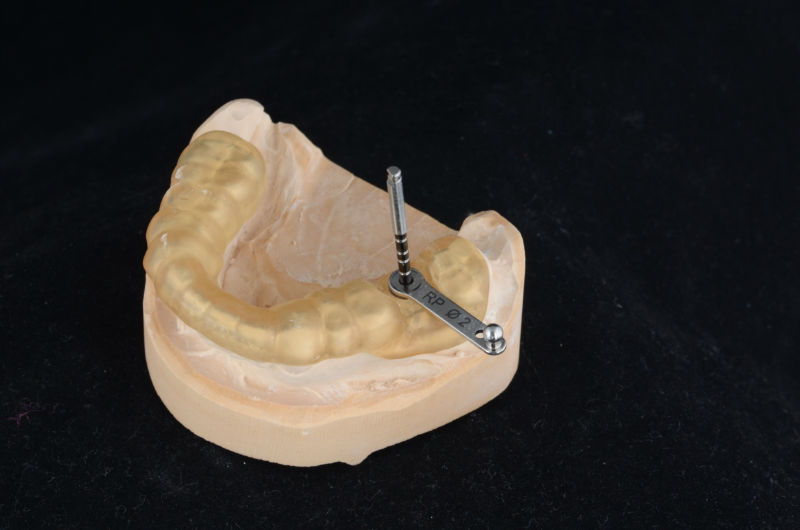
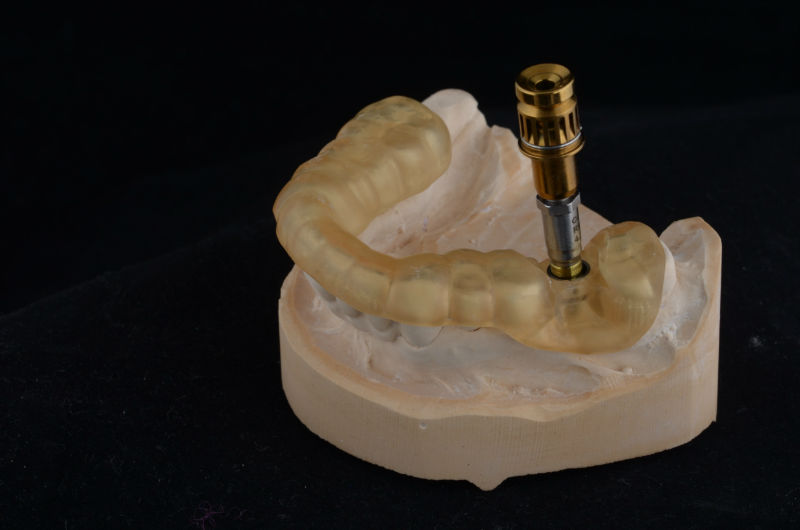
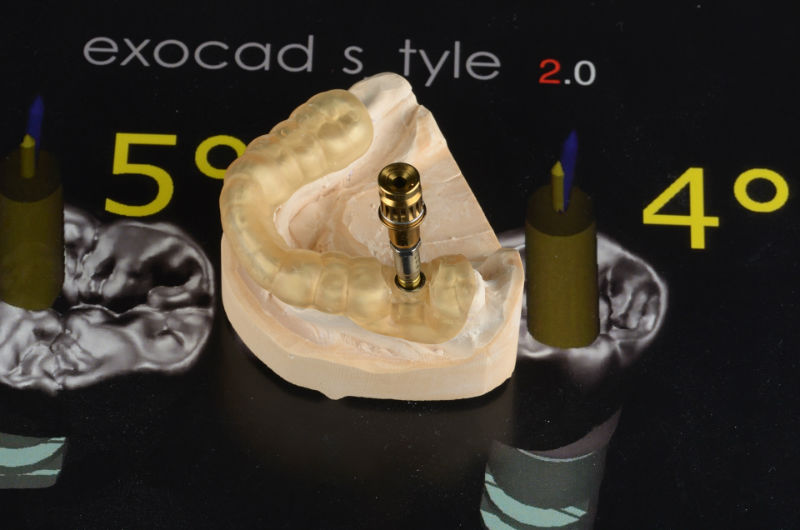
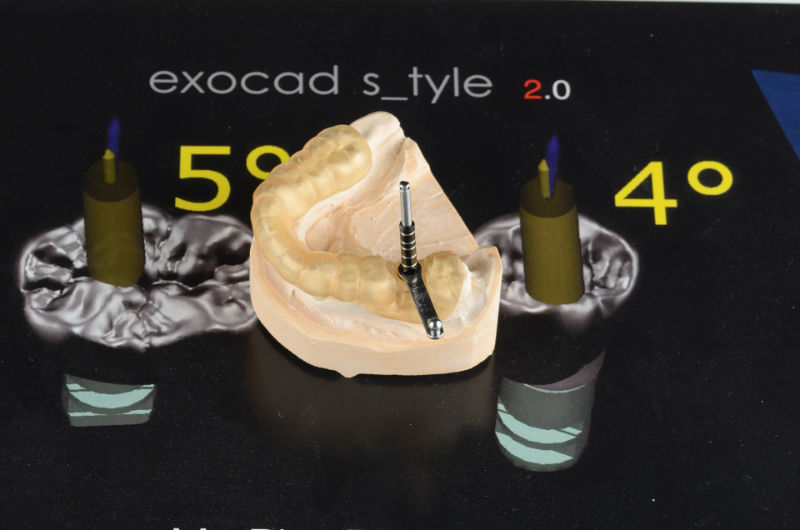
Very often this is difficult to achieve or even impossible. This is where digital design for precise dental implant position, preparatory bone augmentation with bone substitute grafts, and the use of surgical guides for precise placement of dental implants come to the rescue. Surgical guides are also digitally designed and their design is done simultaneously with the design of the dental implants. Technologically, they are made by 3D printing and are transparent splints with metal cannulas in them, through which drills of different diameters pass for preparation of the implant bed, and finally, the placement of the dental implant itself.
Dental implant surgical guides are especially valuable in two of the techniques:
- method of open implantation without a flap – because then the surgeon does not have a real visualisation of the anatomy of the bone.
- the method of immediate (immediately after tooth extraction) placement of dental implants – because then the probability of deviation of the drills during the surgical preparation of the implant bed is very likely due to the different bone density, as a result the dental implants will not be in the desired position.
Creating a surgical guide is a complex process. It is not just a transparent splint with holes through which to place dental implants.
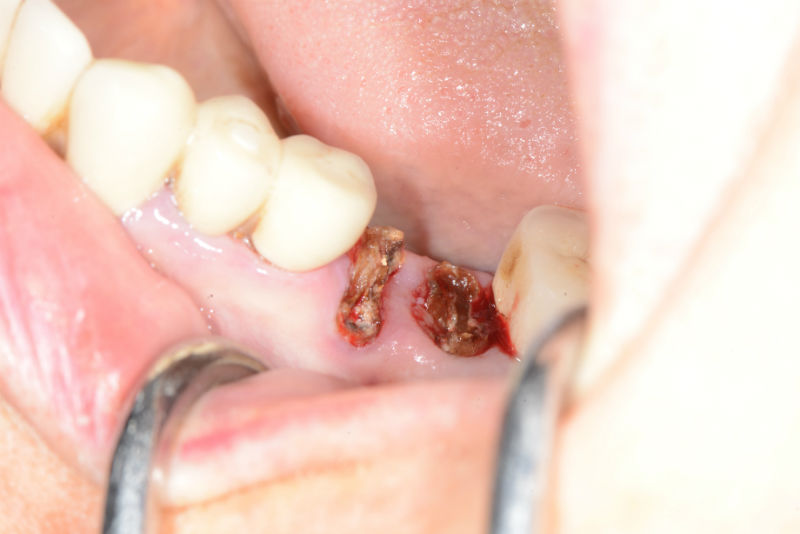
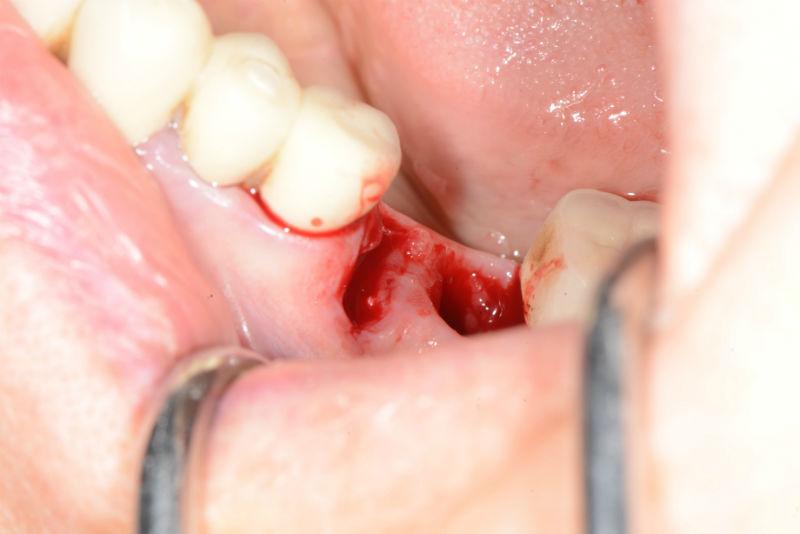
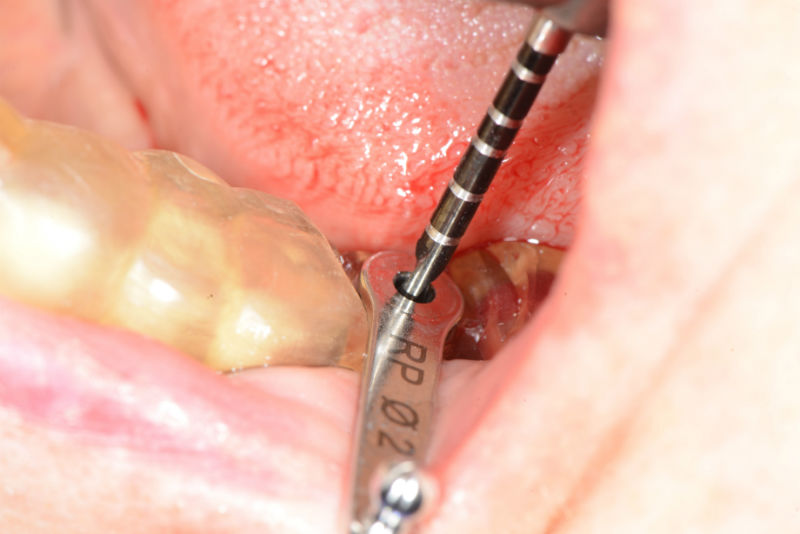
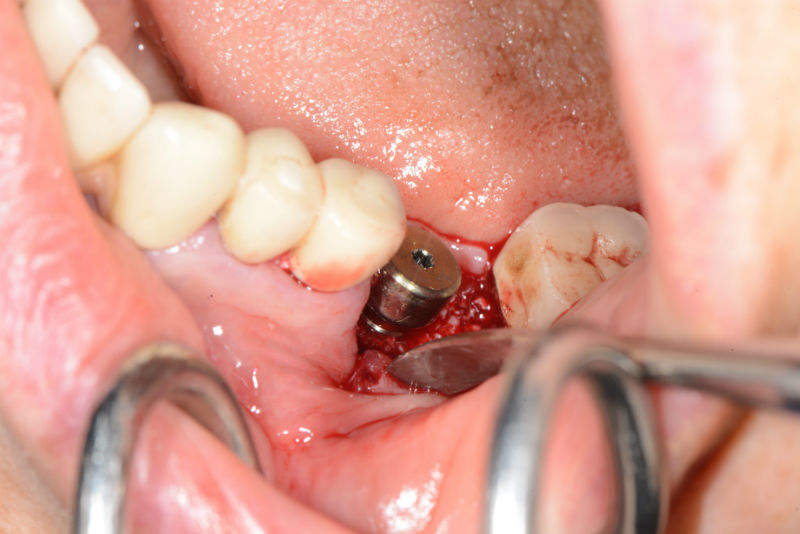
Surgery using surgical guides to place dental implants also requires different surgical instruments than conventional for a given implant system.
Surgical guides are the only sure way to accurately place dental implants where we want them and where we designed them.
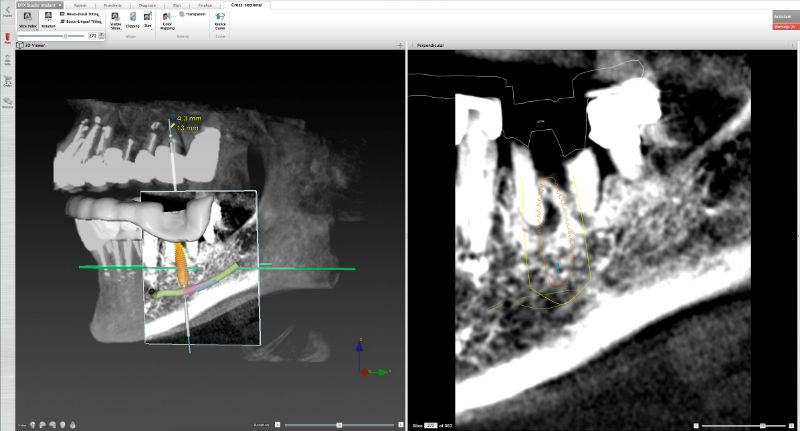
The combination of surgical guides and the prosthetic position of dental implants is the key to the treatment of dental row defects using dental implants.
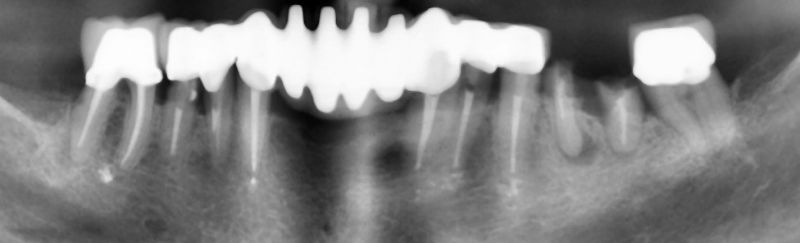
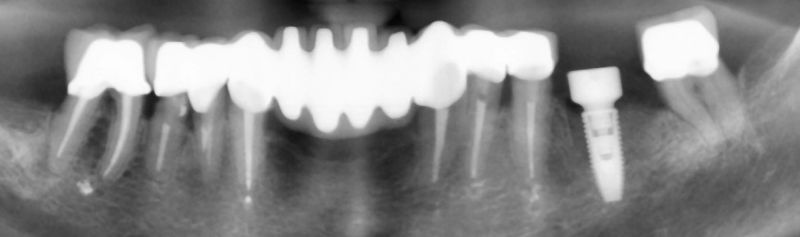
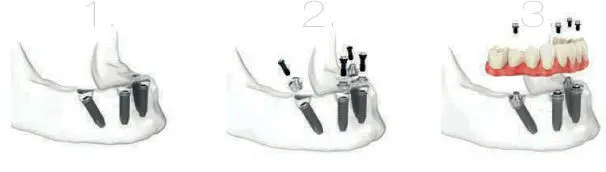
In cases where we have a large number of dental implants /more than three/. Then, most often, the dental implants are placed in their surgical position with the help of surgical guides, and the prosthetics are provided by special abutments /abutments/, called multi unit.
This is Nobel Biocare and Palo Malo’s All-on-4 methodology for treating complete edentulism using dental implants.